Philippines Under Cybersecurity Pressure as NBI Blocks 47,000 Hacking Attempts
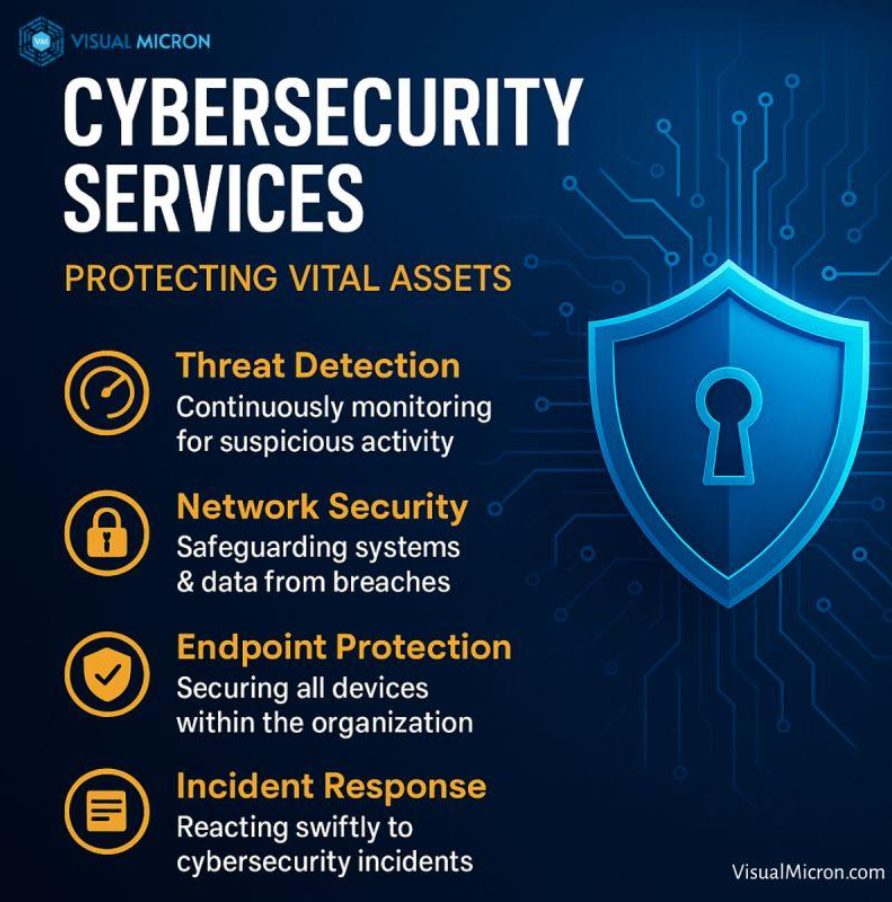
The Philippines faced renewed cybersecurity concerns on November 5, 2026, after the National Bureau of Investigation (NBI) revealed that its servers had been targeted by approximately 47,000 hacking attempts in a single day.
NBI Director Melvin Matibag confirmed that the agency’s information technology team successfully blocked the attempts, preventing unauthorized access to its systems. He also warned government agencies and private organizations to strengthen their cybersecurity defenses amid increasing digital threats.
The incident highlights the growing cybersecurity challenges facing the Philippines as government institutions, businesses, and public services become increasingly dependent on digital infrastructure.
NBI Successfully Blocks 47,000 Cyberattack Attempts
According to reports, the NBI experienced approximately 47,000 attempts to penetrate its servers on November 5.
Director Melvin Matibag credited the agency’s IT personnel for continuously monitoring and blocking suspicious activities. He also confirmed that the bureau was investigating the possible perpetrators and trying to determine their motives.
Although the attempted intrusions were reportedly unsuccessful, the sheer number of attacks demonstrates how aggressively government systems can be targeted.
The incident also raises important questions about the security of sensitive government databases, law enforcement information, and digital infrastructure.
Other Philippine Government Institutions Face Alleged Data Breaches
Aside from the NBI incident, cybersecurity monitoring reports also identified alleged attacks and data exposures involving several Philippine government agencies and public institutions.
Among the organizations mentioned in reports were:
- Department of Information and Communications Technology (DICT)
- Office of the Vice President (OVP)
- Presidential Commission on Good Government (PCGG)
- Philippine Air Force (PAF)
- PhilJobNet
- Eastern Visayas State University (EVSU)
- Philippine Nurses Association (PNA)
Some threat actors claimed to have obtained internal documents, employee information, identification records, and other institutional data.
However, these claims should be treated cautiously. The alleged stolen datasets and the extent of any unauthorized access have not been independently verified.
The reports nevertheless highlight the importance of investigating potential vulnerabilities and protecting sensitive information held by public institutions.
Why November 5 Is Significant to Hacktivist Groups
November 5 is historically associated with Guy Fawkes Day and the annual Million Mask March, a protest movement commonly associated with the Anonymous hacktivist image.
The Guy Fawkes mask became internationally recognizable through the graphic novel and movie V for Vendetta. It has since become a symbol used by various protest movements and online activist communities.
Some cyber actors use the date to publicize hacking activities and political messages.
However, not every cyberattack reported on November 5 is necessarily connected to a single organization or coordinated campaign. Hacktivist claims, political statements, and actual technical evidence must be evaluated separately.
What These Cyberattacks Mean for Filipino Internet Users
Cybersecurity incidents involving government institutions can have consequences beyond temporary website disruptions.
If sensitive information is genuinely exposed, affected individuals could face:
- Identity theft – Stolen personal information may be used to impersonate individuals.
- Phishing attacks – Cybercriminals may use leaked names, email addresses, or other details to create convincing scam messages.
- Financial fraud – Exposed personal information can increase the risk of account-related scams.
- Privacy violations – Unauthorized disclosure of government-held personal records can put individuals at risk.
- Loss of public trust – Repeated security incidents can undermine confidence in government digital services.
Filipinos should remain cautious about unexpected emails, text messages, suspicious links, and online requests for personal information.
How Government Agencies and Businesses Can Strengthen Cybersecurity
The November 5 incidents demonstrate why cybersecurity should be a continuous priority rather than a response to individual attacks.
Government agencies and private organizations should consider implementing the following measures:
1. Strengthen Authentication
Use multi-factor authentication (MFA) for administrative accounts, email systems, databases, and remote access.
2. Regularly Update Software
Apply security patches to operating systems, web applications, plugins, servers, and database management systems.
3. Conduct Security Audits
Perform vulnerability assessments and authorized penetration testing to identify weaknesses before attackers exploit them.
4. Implement Reliable Backups
Maintain encrypted, offline, or otherwise isolated backups and regularly test recovery procedures.
5. Monitor Network Activity
Use security monitoring systems to identify suspicious login attempts, unusual traffic, unauthorized access, and potential data exfiltration.
6. Prepare an Incident Response Plan
Organizations should establish clear procedures for detecting, containing, investigating, and recovering from cyberattacks.
Cybersecurity Must Become a National Priority
The reported 47,000 hacking attempts against NBI servers serve as a reminder that no organization is completely immune to cyber threats.
As the Philippine government continues its digital transformation, protecting public databases, online services, and critical infrastructure must remain a national priority.
Government agencies need to invest in modern security technologies, skilled cybersecurity professionals, continuous monitoring, and regular security assessments.
Businesses must also recognize that cybersecurity is not exclusively an IT responsibility. It is an essential part of protecting customers, employees, financial resources, and business operations.
Most importantly, authorities should provide transparent updates whenever significant security incidents occur, including verified information about affected systems, exposed data, and measures taken to protect the public.
The question is no longer whether Philippine institutions will face cyberattacks, but how effectively they can detect, prevent, and recover from them.
Frequently Asked Questions (FAQs)
1. What happened in the Philippines on November 5, 2026?
Reports described a series of cyber threats and alleged data breaches involving Philippine institutions. The NBI also reported blocking approximately 47,000 attempts to breach its servers.
2. Was the NBI successfully hacked?
According to the NBI director, the reported attempts were blocked by the agency’s IT team. The reported attempts should not be confused with a confirmed successful breach.
3. Which Philippine agencies were reportedly targeted?
Reports mentioned DICT, OVP, PCGG, the Philippine Air Force, PhilJobNet, Eastern Visayas State University, and the Philippine Nurses Association, among others. Some alleged breaches remain unverified.
4. Why do hackers target November 5?
The date is associated with Guy Fawkes Day and the Million Mask March, which has connections to hacktivist symbolism and protest movements.
5. How can Filipinos protect themselves from data breaches?
Use strong and unique passwords, enable MFA, avoid suspicious links, update devices, and monitor financial and online accounts for unusual activity.
Final Takeaway: The November 5 cybersecurity incidents highlight the urgent need for stronger digital defenses in the Philippines. Protecting government systems and personal information requires continuous vigilance, cooperation, and accountability.
References:
External reference: CISA – Secure Our World for cybersecurity best practices.
News reference: Daily Tribune – NBI blocks 47,000 hacking attempts.
Additional reporting: TechSabado – Philippine agencies reportedly hit by cyberattacks