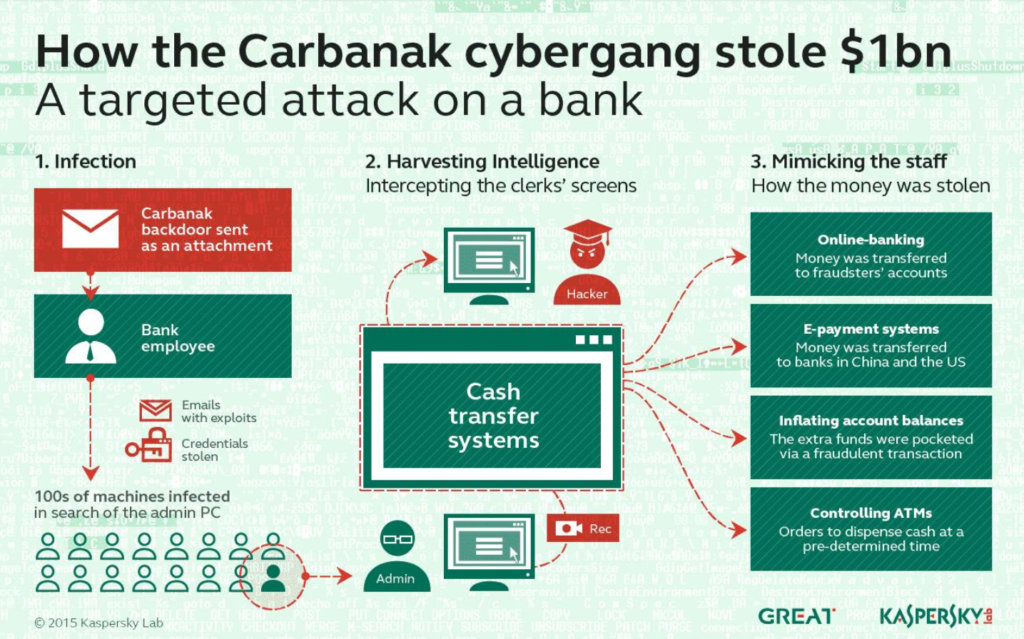
Cybercriminals are increasingly targeting financial institutions, exploiting weaknesses in digital banking systems to steal millions of dollars through sophisticated cyberattacks. As banks continue to embrace online banking, mobile applications, cloud infrastructure, and automated financial transactions, the risks associated with cybercrime are growing.
A recent incident involving French banking group Crédit Mutuel Arkéa has once again highlighted the vulnerability of even established financial institutions. The bank disclosed on November 5, 2026, that approximately €100 million (around $112.6 million) had been stolen through fraudulent transactions involving an account belonging to the bank.
The incident demonstrates that cybercriminals are no longer simply targeting individual customers. They are finding ways to exploit the systems, platforms, and financial infrastructure that support the global banking industry.
A €100 Million Cyber Heist Hits a French Bank
One of the latest major banking cybersecurity incidents involves Crédit Mutuel Arkéa, a French cooperative banking group serving more than 5.8 million customers.
According to reports, hackers used an account belonging to the bank to execute fraudulent transactions, resulting in approximately €100 million in stolen funds.
The bank temporarily suspended certain transactions as a precaution while investigating the incident and attempting to recover the money.
Importantly, Crédit Mutuel Arkéa stated that customer assets were not affected and rejected reports that its online banking subsidiary, Fortuneo, or its customers’ accounts were involved.
French authorities have opened a cybercrime investigation to determine how the attackers gained access and executed the fraudulent transactions.
The incident is a reminder that even heavily regulated financial institutions remain potential targets for sophisticated cybercriminals.
The Bangladesh Bank Heist: One of the Biggest Cyber Robberies in History
One of the most notorious examples of banking cybercrime occurred in February 2016, when hackers targeted Bangladesh Bank, the country’s central bank.
Attackers compromised the bank’s systems and used stolen credentials to send fraudulent payment instructions through the SWIFT financial messaging network.
The criminals attempted to transfer approximately $951 million from the bank’s account at the Federal Reserve Bank of New York.
Although most transactions were stopped, five payment instructions were processed, resulting in approximately $101 million being transferred. Around $81 million was successfully stolen and routed through accounts in the Philippines.
The incident exposed serious weaknesses in financial security, internal controls, and international payment verification processes.
It also demonstrated how cybercriminals can exploit legitimate banking infrastructure to make fraudulent transactions appear authentic.
How Do Hackers Steal Millions From Banks?
Modern bank cyberattacks involve multiple techniques. Rather than physically accessing bank facilities, attackers exploit digital systems, human weaknesses, and vulnerabilities in connected services.
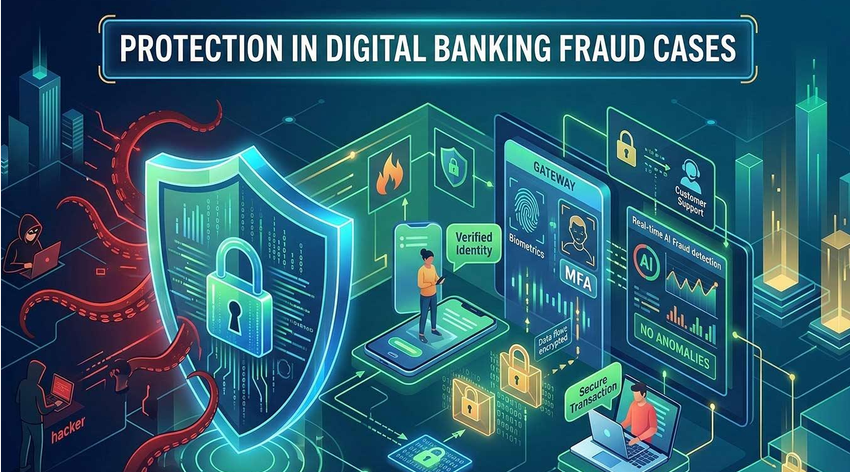
Here are some of the most common methods:
1. Phishing and Social Engineering
Cybercriminals send fraudulent emails, messages, or websites designed to impersonate legitimate banks, employees, or financial service providers.
Their objective is to steal login credentials, authentication codes, and other sensitive information.
In some cases, attackers manipulate employees into approving fraudulent transactions or revealing confidential access credentials.
2. Malware and Ransomware
Malicious software can infect banking networks and compromise computers used by financial employees.
Some malware is designed to monitor activity, capture credentials, manipulate transactions, or provide unauthorized access to internal systems.
Ransomware attacks can also disrupt banking operations by encrypting important files and demanding payment for their recovery.
3. Exploiting Software Vulnerabilities
Outdated applications, misconfigured servers, weak authentication systems, and unpatched software can create opportunities for attackers.
If hackers successfully exploit these weaknesses, they may gain unauthorized access to sensitive financial systems.
4. Third-Party and Supply Chain Attacks
Banks depend on external technology providers, payment processors, cloud platforms, and financial service partners.
A vulnerability in one of these connected services can potentially expose the systems of multiple organizations.
The recent Crédit Mutuel Arkéa incident has highlighted the importance of investigating third-party platforms and transaction authorization controls.
5. Unauthorized Financial Transactions
Once attackers gain access to financial systems, they may attempt to create fraudulent payment instructions, modify transaction details, or transfer money into accounts under their control.
These attacks can be particularly damaging because transactions may initially appear legitimate.
Why Are Banks Becoming Attractive Targets?
Financial institutions hold enormous amounts of money and sensitive customer information, making them valuable targets for organized cybercriminal groups.
Several factors contribute to the growing threat:
- Digital transformation: More banking operations are moving online, increasing the number of systems that need protection.
- Complex IT infrastructure: Banks rely on interconnected applications, databases, APIs, and third-party services.
- Advanced cybercrime techniques: Attackers continuously develop more sophisticated methods to bypass security controls.
- Human vulnerabilities: Employees and customers can be manipulated through phishing and social engineering.
- Artificial intelligence: AI can help criminals produce convincing fraudulent communications and automate certain stages of cyberattacks.
According to the European Banking Authority’s June 2026 risk assessment, cyber threats remain a significant concern for European financial institutions. The report highlights social engineering, credential theft, data breaches, and supply chain attacks among the techniques used against banks.
How Can Banks Prevent Large-Scale Cyberattacks?
Preventing financial cybercrime requires more than traditional antivirus software and firewalls. Banks need comprehensive cybersecurity strategies that protect both their internal infrastructure and external connections.
Important security measures include:
1. Multi-Factor Authentication (MFA)
Require additional verification for employees, administrators, and customers accessing sensitive banking systems.
2. Continuous Network Monitoring
Use security monitoring systems to detect unusual login attempts, suspicious activities, and abnormal transaction patterns.
3. Strong Transaction Verification
Implement additional approval requirements for high-value transfers, changes to payment details, and unusual financial transactions.
4. Regular Security Audits
Conduct penetration testing, vulnerability assessments, and security reviews to identify weaknesses before criminals exploit them.
5. Employee Cybersecurity Training
Educate employees about phishing, social engineering, suspicious attachments, and proper handling of confidential information.
6. Third-Party Security Management
Regularly assess the cybersecurity practices of technology vendors, contractors, payment providers, and other external partners.
7. Incident Response and Disaster Recovery
Maintain tested incident response plans, secure backups, and recovery procedures to minimize operational disruption.
How Can Bank Customers Protect Their Money?
Although large-scale cyberattacks often target financial institutions directly, individual banking customers should also take precautions.
Here are some practical ways to improve online banking security:
- Use strong and unique passwords for banking accounts.
- Enable multi-factor authentication whenever available.
- Never share OTPs, PINs, or banking passwords.
- Avoid clicking suspicious links in emails and text messages.
- Install banking applications only from official app stores.
- Keep smartphones, computers, and applications updated.
- Avoid accessing financial accounts through unsecured public Wi-Fi.
- Activate transaction notifications.
- Contact your bank immediately if you notice unauthorized transactions.
Remember that legitimate bank representatives should never ask you to disclose your complete password or OTP.
The Future of Banking Security: AI, Automation, and Cyber Defense
As financial institutions adopt more advanced technologies, cybersecurity will become an increasingly important part of banking operations.
Artificial intelligence can help banks identify suspicious transactions, recognize unusual account behavior, and detect potential fraud in real time.
However, the same technology can also be abused by cybercriminals to improve phishing campaigns, automate attacks, and create convincing impersonations.
This creates an ongoing cybersecurity challenge: banks must continuously improve their defenses while anticipating how attackers may exploit emerging technologies.
Financial institutions will need to invest in advanced threat detection, stronger identity verification, secure software development, and coordinated cybercrime investigations.
Conclusion: Protecting the Global Banking System From Cybercrime
The recent Crédit Mutuel Arkéa incident and the historic Bangladesh Bank heist demonstrate how damaging cyberattacks can be when criminals successfully exploit weaknesses in financial systems.
Banking security is no longer just about protecting physical branches and ATM machines. It requires securing digital infrastructure, employee access, financial transactions, customer information, and third-party technology providers.
As cybercriminals become more sophisticated, financial institutions must treat cybersecurity as a fundamental part of their operations rather than an optional technology investment.
For customers, the message is equally important: remain vigilant, protect your banking credentials, and report suspicious activity immediately.
In an increasingly digital financial world, protecting money means protecting the technology behind it.
References:
1. Reuters – French bank Crédit Mutuel Arkéa reports €100 million cyber theft — link this to the paragraph about the latest French bank incident. Reuters
2. ISACA – Lessons Learned From the Bangladesh Bank Heist — link this to the Bangladesh Bank section. ISACA
3. European Banking Authority – Risk Assessment Report, June 2026 — link this to the discussion about cybersecurity threats affecting financial institutions. European Banking Aut